Planning a home extension is exciting, but understanding the costs involved is crucial for making informed decisions. This comprehensive guide breaks down what affects extension pricing across Devon in 2026, helping you budget realistically for your project.
## Understanding Extension Costs: What Really Matters
Before diving into specific extension types, it's important to understand that no two extensions cost the same. Your investment depends on numerous factors, and understanding these helps you make smart choices about where to spend and where to save.
## Key Factors Affecting Your Extension Investment
### 1. Size and Complexity
The size of your extension is the most significant cost driver. A small 15m² kitchen extension requires less materials, labour, and time than a 40m² wrap-around extension. But it's not just about square footage:
**Simple rectangular extensions** are more cost-effective than complex shapes with multiple angles, curved walls, or unusual roof designs. Every corner, angle, and architectural feature adds labour time and material waste.
**Single-storey vs two-storey**: Whilst two-storey extensions cost more overall, they're often more cost-effective per square metre because you're sharing foundations, external walls, and roof structure between two floors.
### 2. Specification and Finishes
Your choice of materials and finishes can dramatically impact your total investment. The difference between budget and premium specifications can add 30-50% to your costs.
**Budget Specification** includes:
- Standard double glazing
- Basic kitchen units and appliances
- Laminate worktops
- Standard bathroom fittings
- Basic floor tiles
- Standard electrics and heating
**Mid-Range Specification** includes:
- High-performance double glazing
- Good quality kitchen units
- Quartz or granite worktops
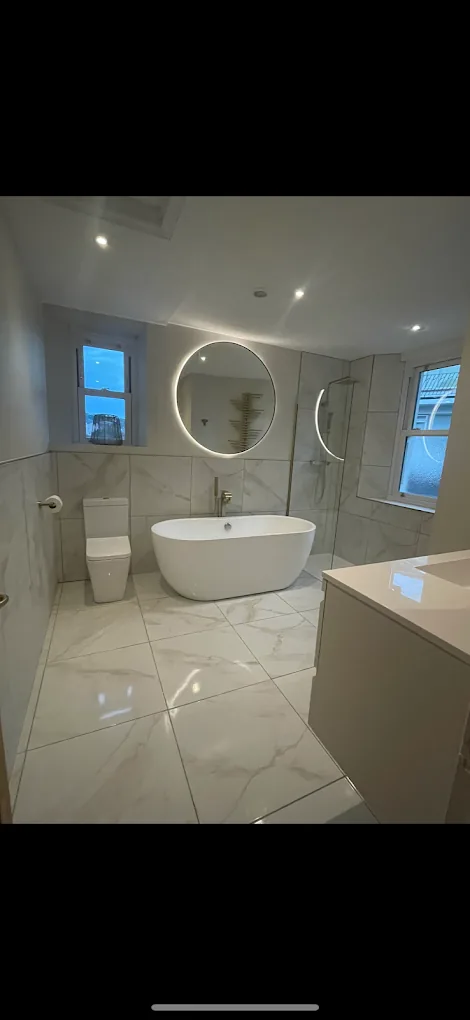
- Quality bathroom fixtures
- Porcelain tiles
- Enhanced lighting and heating systems
**Premium Specification** includes:
- Triple glazing or large bi-fold door systems
- Bespoke kitchen cabinetry
- Premium stone worktops
- Designer bathroom fittings
- Natural stone or high-end tiles
- Smart home integration and underfloor heating
**Smart approach**: Mix specifications strategically. Splurge on features you'll see and use daily (kitchen worktops, bi-fold doors), save on hidden elements (basic insulation that meets regulations works just as well as premium).
### 3. Location Across Devon
Where you live in Devon affects costs:
**Torquay & Torbay**: Coastal locations may have slightly higher material transport costs. Properties in conservation areas (Wellswood, Torre, Babbacombe) require specific materials and planning approvals that can add time and cost.
**Exeter**: City centre locations often face access constraints. Narrow streets, parking restrictions, and limited material storage space can slow work and increase labour costs.
**Plymouth**: Generally competitive pricing due to good contractor availability and straightforward access in most areas.
**Rural Devon**: Beautiful locations, but material delivery costs increase with distance from suppliers. Contractor travel time also factors into pricing.
### 4. Ground Conditions and Site Challenges
Your property's ground conditions significantly affect foundation costs:
**Good ground conditions** allow standard strip foundations. **Poor ground** (clay, made ground, high water table) may require deeper foundations, piled foundations, or additional drainage work.
**Sloping sites** need extra groundwork, retaining walls, and potentially stepped foundations. **Trees nearby** require root protection measures and may restrict foundation depth.
**Ground investigation** (around £500-£800) identifies potential issues early, preventing costly surprises during construction.
### 5. Access and Site Constraints
Difficult access increases costs because everything takes longer:
- **Narrow side passages**: Materials must be carried by hand rather than wheeled
- **No vehicle access to rear**: All materials come through the house
- **Terraced properties**: Limited access, potential party wall agreements needed
- **Conservation areas**: Material restrictions, specific approval processes
## Extension Types: What to Expect
### Single-Storey Rear Extension
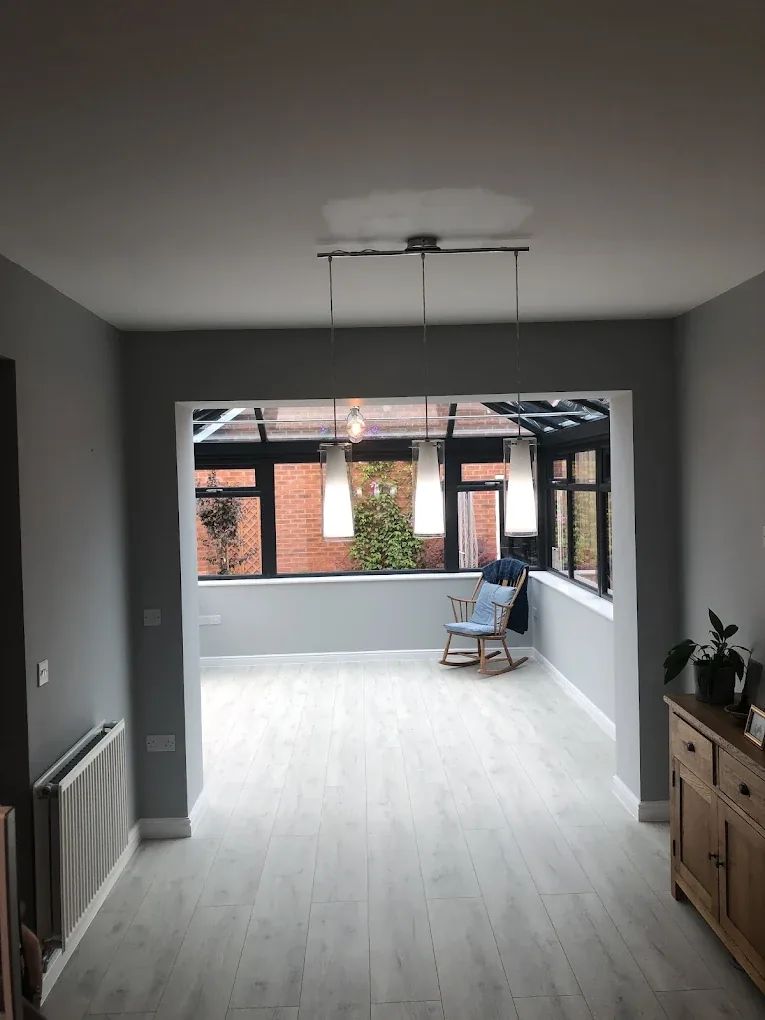
**What it involves**: Extending your ground floor into the garden, typically for a kitchen-diner or living space.
**Your investment depends on**:
- Extension size (typically 15-40m²)
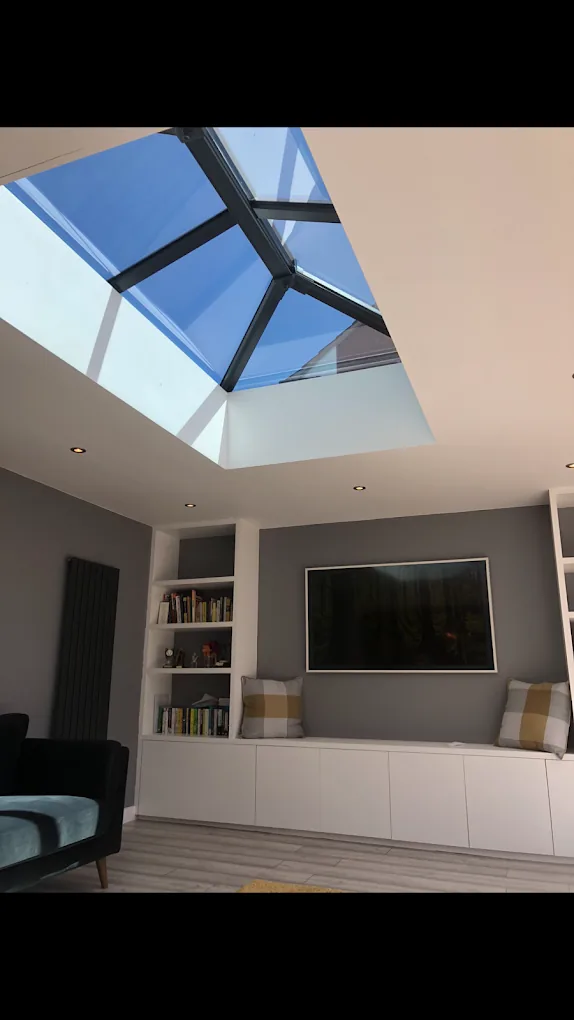
- Roof type (flat roof vs pitched roof vs roof lantern)
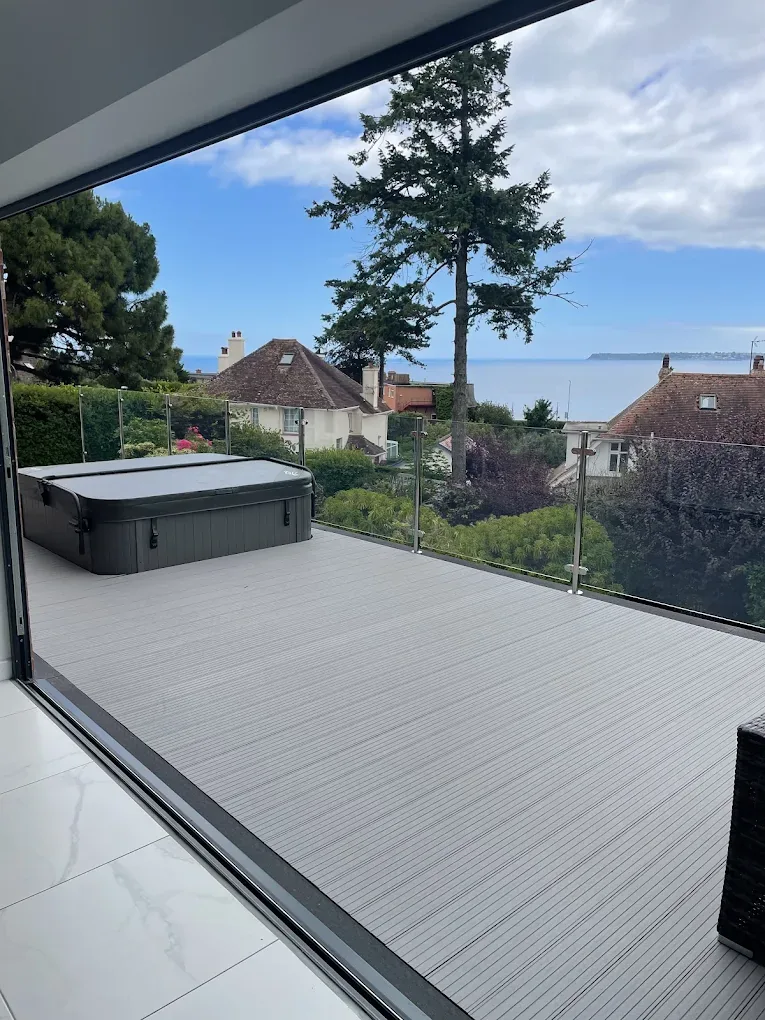
- Glazing (standard patio doors vs bi-fold doors vs sliding doors)
- Kitchen specification if included
- Underfloor heating vs radiators
- Flooring choice (tiles, engineered wood, polished concrete)
**Timeline**: 12-16 weeks from groundwork to completion
**Planning**: Many single-storey rear extensions fall under permitted development rights, but conservation areas and listed buildings require planning permission from your local council.
### Two-Storey Extension
**What it involves**: Extending both ground and first floors, typically adding a bedroom above a kitchen extension.
**Why it's cost-effective**: You're sharing foundations, external walls, and roof structure between two floors, making the cost per square metre lower than building two separate single-storey extensions.
**Your investment depends on**:
- Total size (typically 24-48m² per floor)
- Whether stairs are required
- Specification for both floors
- Number of bathrooms
- Heating and electrical system extensions
**Timeline**: 16-20 weeks from start to completion
**Planning**: Usually requires planning permission, especially if visible from the street.
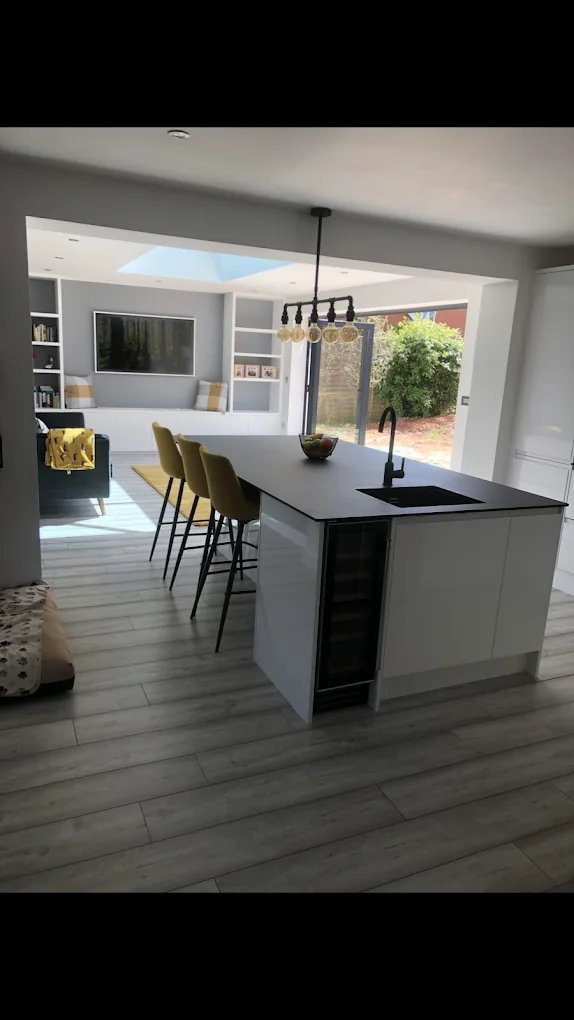
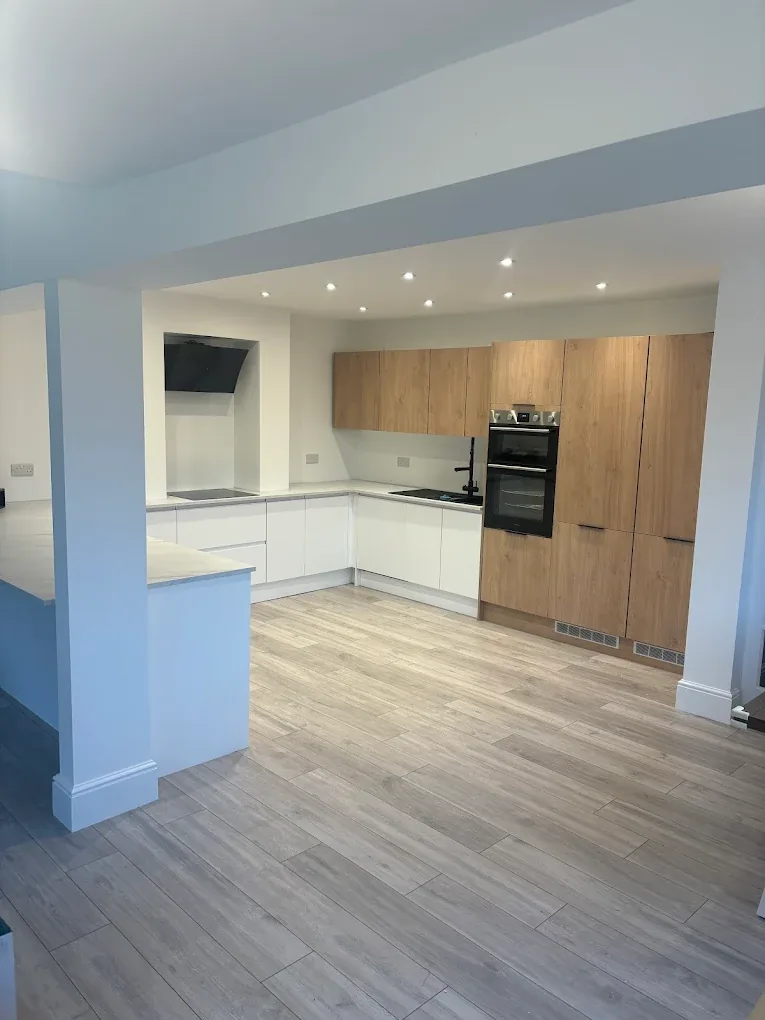
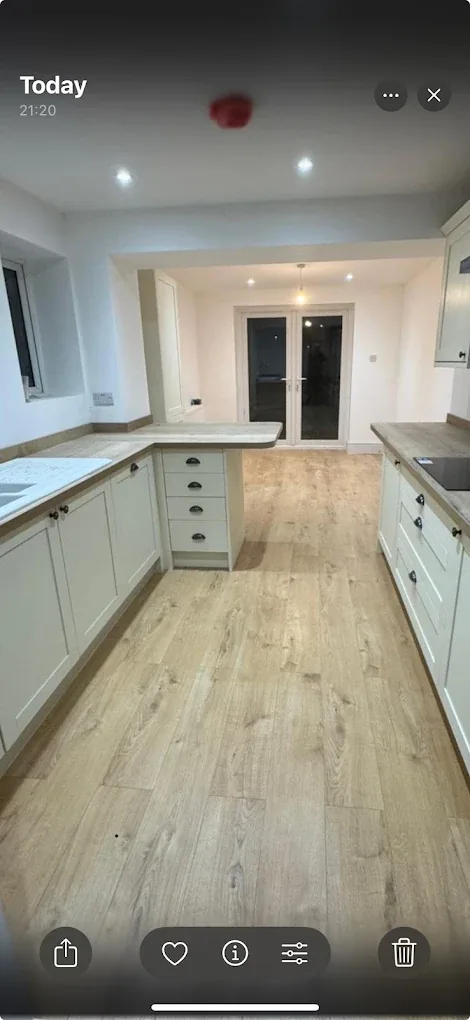
### Kitchen Extension
**What it involves**: Extending your kitchen to create open-plan living, add workspace, or improve flow to the garden.
**Your investment depends on**:
- Extension size (typically 12-25m²)
- Kitchen specification (budget to bespoke)
- Worktop material (laminate to premium stone)
- Appliance quality
- Glazing (standard doors to full-width bi-folds)
- Flooring and lighting choices
**Timeline**: 12-16 weeks for the extension, plus kitchen installation
**Popular additions that increase costs**:
- Bi-fold or sliding door systems
- Roof lanterns for natural light
- Underfloor heating
- Premium kitchen appliances
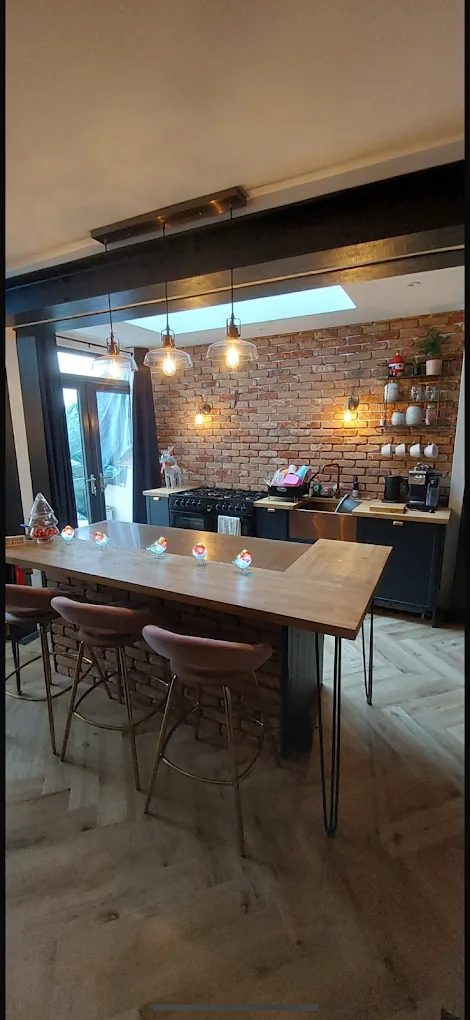
- Island units with breakfast bars
### Loft Conversion
**What it involves**: Converting your unused loft space into a bedroom, office, or bathroom.
**Your investment depends on**:
- Conversion type (Velux, dormer, hip-to-gable, mansard)
- Whether you need to raise the roof height
- Staircase design and location
- Bathroom inclusion
- Dormer size and design
- Insulation and ventilation requirements
**Timeline**: 8-12 weeks for most conversions
**Planning**: Velux conversions often fall under permitted development. Dormers and hip-to-gable conversions usually need planning permission.
### Garage Conversion
**What it involves**: Converting your garage into a habitable room (bedroom, office, gym, granny annexe).
**Your investment depends on**:
- Whether you're removing the garage door and building a wall
- Insulation and damp-proofing requirements
- Window and door specifications
- Heating system extension
- Bathroom inclusion (for annexe use)
- Internal finishes and flooring
**Timeline**: 6-10 weeks
**Planning**: Usually permitted development, but check if you're in a conservation area.
## Hidden Costs Many Homeowners Forget
### Professional Fees
**Architect or designer**: Essential for complex projects or planning applications. Design fees vary based on project complexity.
**Structural engineer**: Required for load-bearing wall removal, large openings, or complex structures. Their calculations ensure your extension is safe and meets building regulations.
**Planning application**: Required if your extension doesn't fall under permitted development (currently £206 for householder applications).
**Building regulations**: All extensions need building control approval. Fees vary by project size and local authority.
**Party wall agreement**: If you're building on or near a boundary with neighbours, you'll need a party wall surveyor.
### Site Preparation
**Demolition work**: Removing existing structures, walls, or outbuildings.
**Tree removal or protection**: Trees with preservation orders need special handling.
**Drainage alterations**: Moving or extending drainage systems.
**Service relocations**: Moving gas, electric, or water services.
### Temporary Measures
**Temporary kitchen**: If extending your kitchen, you'll need somewhere to cook during the build.
**Storage**: Furniture and belongings need protecting during construction.
**Alternative accommodation**: Some homeowners prefer to stay elsewhere during disruptive phases.
### Finishing Touches
**Decorating**: New extensions need decorating, and you might want to refresh adjoining rooms.
**New furniture**: That new kitchen-diner needs a dining table and chairs.
**Landscaping**: Building work disrupts gardens. Budget for repairs, new paving, or landscaping.
**Driveway repairs**: Heavy machinery can damage driveways.
## How to Reduce Extension Costs Without Compromising Quality
### 1. Keep the Design Simple
Rectangular shapes cost less than complex layouts. Every corner, curve, and angle adds labour time and material waste. A simple, well-proportioned design often looks better and costs less than an overly complex one.
### 2. Use Standard Sizes
Standard window and door sizes are readily available and cost-effective. Bespoke sizes require custom manufacturing, increasing costs and lead times.
### 3. Time Your Project Strategically
Building in spring and summer can be slightly cheaper and faster. Better weather means fewer delays, and contractors often have more availability outside peak winter booking periods.
### 4. Make Smart Specification Choices
You don't need premium everything. Mix budget and premium items strategically:
**Splurge on**: Kitchen worktops, bi-fold doors, flooring in main living areas, visible fixtures and fittings.
**Save on**: Insulation (standard that meets regulations works fine), hidden pipework, basic electrics in storage areas, internal wall finishes in utility spaces.
### 5. Do Some Work Yourself
If you're capable, tackle decorating, landscaping, and some finishing work yourself. But leave structural work, electrics, plumbing, and gas work to qualified professionals.
### 6. Get Multiple Detailed Quotes
Compare at least three quotes from reputable builders. But don't just look at the bottom line—check what's included, payment terms, timelines, and guarantees.
## Financing Your Extension
### Using Savings
The most cost-effective option if you have sufficient funds. No interest, no fees, no debt.
### Remortgaging
Release equity from your property:
- Typically lower interest rates than personal loans
- Spread cost over your mortgage term
- May incur arrangement fees and valuation costs
- Increases your monthly mortgage payment
### Home Improvement Loan
Unsecured personal loan for home improvements:
- Quick to arrange (days rather than weeks)
- No property valuation needed
- Higher interest rates than remortgaging
- Shorter repayment terms
### Equity Release
For homeowners over 55:
- Access property value without moving
- No monthly repayments (interest rolls up)
- Reduces inheritance value
- Suitable for older homeowners who plan to stay long-term
## Return on Investment: Will Your Extension Add Value?
Extensions typically add more value than they cost, but ROI varies by location, property type, and local market conditions.
**Kitchen extensions** generally offer excellent returns because they create the open-plan living that modern buyers want. In Torbay's property market, a well-executed kitchen extension can increase your home's value by 10-20%.
**Loft conversions** add valuable bedroom space without extending your footprint. Adding a bedroom (especially with en-suite) significantly increases property value and marketability.
**Two-storey extensions** offer good returns when they add bedrooms and living space. The key is ensuring the extension is proportionate to your property and neighbourhood.
**Garage conversions** add habitable space, but you lose parking. In areas where parking is valuable, this might limit your return.
**Important**: Don't over-improve for your area. If you're in a street of £300,000 properties, a £150,000 extension might not return its full value.
## Getting an Accurate Quote for Your Extension
For a reliable cost estimate, provide builders with:
1. **Detailed plans**: Even sketch plans help builders understand your vision
2. **Specification list**: Materials and finishes you want
3. **Site photos**: Help builders assess access and ground conditions
4. **Timeline**: When you want to start and complete
5. **Budget indication**: Helps builders suggest appropriate specifications
## Our Transparent Pricing Approach
At NL Elite Builders, we believe in complete transparency:
**Detailed written quotes**: Itemised breakdown of all costs—materials, labour, professional fees, and contingencies.
**Fixed-price contracts**: The price we quote is the price you pay (unless you request changes).
**Payment schedules**: Clear milestones and payment terms. You only pay for completed work.
**Variation procedures**: If you want changes during the build, we price them clearly and get your approval before proceeding.
**Warranty coverage**: We explain exactly what's covered in our guarantee and for how long.
## The Real Cost of Moving vs Extending
Before committing to an extension, many Torbay homeowners consider moving instead. But moving costs add up quickly:
- **Estate agent fees**: 1-3% of sale price
- **Solicitor fees**: £1,000-£2,000
- **Stamp duty**: Significant on properties over £250,000
- **Removal costs**: £500-£2,000
- **Surveys and searches**: £500-£1,500
- **Mortgage arrangement fees**: £500-£2,000
- **Redecoration and furnishing**: Often needed in a new property
**Total moving costs**: Easily £15,000-£25,000, plus the stress and disruption of relocating.
**The "Improve, Don't Move" advantage**: You stay in the community you love, keep the schools, neighbours, and local connections you've built. You create exactly the space you need rather than compromising on someone else's layout.
## Conclusion: Planning Your Extension Investment
Extension costs in Devon vary significantly based on size, specification, location, and complexity. The key to managing costs effectively is:
- **Detailed planning before starting**: Know exactly what you want
- **Clear specification of materials**: Decide on finishes early
- **Realistic budget with contingency**: Add 10-15% for unexpected issues
- **Working with experienced builders**: Quality work costs less long-term than cheap work done badly
**Ready to discuss your extension project?** [Contact us](/contact/) for a free, no-obligation consultation. We'll visit your property, discuss your vision, and provide a detailed breakdown of costs tailored to your specific project.
## Extension Cost Planning Checklist
- [ ] Determine extension size and type
- [ ] Set realistic budget including 10-15% contingency
- [ ] Get design plans prepared (or work with builder on design-build)
- [ ] Check planning and building regulations requirements
- [ ] Obtain 3-5 detailed quotes from reputable builders
- [ ] Factor in professional fees (architect, engineer, planning)
- [ ] Consider financing options and get approval if needed
- [ ] Plan for temporary disruption costs (temporary kitchen, storage)
- [ ] Budget for finishing touches (decorating, furniture, landscaping)
- [ ] Review insurance coverage during build
- [ ] Set aside contingency fund for unexpected issues
- [ ] Plan timeline including buffer for weather delays
## Frequently Asked Questions
**How much should I budget for contingencies?**
We recommend 10-15% contingency for most extensions. Older properties or complex projects may need 15-20%. This covers unexpected ground conditions, hidden structural issues, or material price increases.
**Can I live in my home during the extension?**
Most homeowners stay in their homes during extensions. We use dust barriers, maintain access to essential rooms, and schedule noisy work for reasonable hours. Kitchen extensions require a temporary kitchen setup. Major structural work might require a few days elsewhere.
**How long does the planning process take?**
If your extension needs planning permission, Torbay Council typically takes 8 weeks to decide. Conservation areas or listed buildings may take longer. Many extensions fall under permitted development and don't need planning permission.
**What's the difference between planning permission and building regulations?**
Planning permission is about whether you can build. Building regulations ensure it's built safely and meets standards for structure, insulation, fire safety, and accessibility. Most extensions need building regulations approval even if they don't need planning permission.
**Should I use an architect or work directly with a builder?**
For complex projects or planning applications, an architect adds value through design expertise. For simpler extensions, many builders offer design-build services, handling both design and construction. We offer both options depending on your project needs.
**When should I pay my builder?**
Never pay everything upfront. Reputable builders use milestone-based payments: deposit to secure dates (typically 10-15%), then payments at key stages (foundations complete, roof on, first fix, second fix, completion). You should always be slightly behind on payments, never ahead.
**What happens if costs increase during the build?**
With a fixed-price contract, the builder absorbs minor cost increases. Significant changes (you requesting different materials, unexpected ground conditions, hidden structural issues) are priced as variations. Reputable builders explain the issue, provide a written quote for the additional work, and only proceed with your approval.