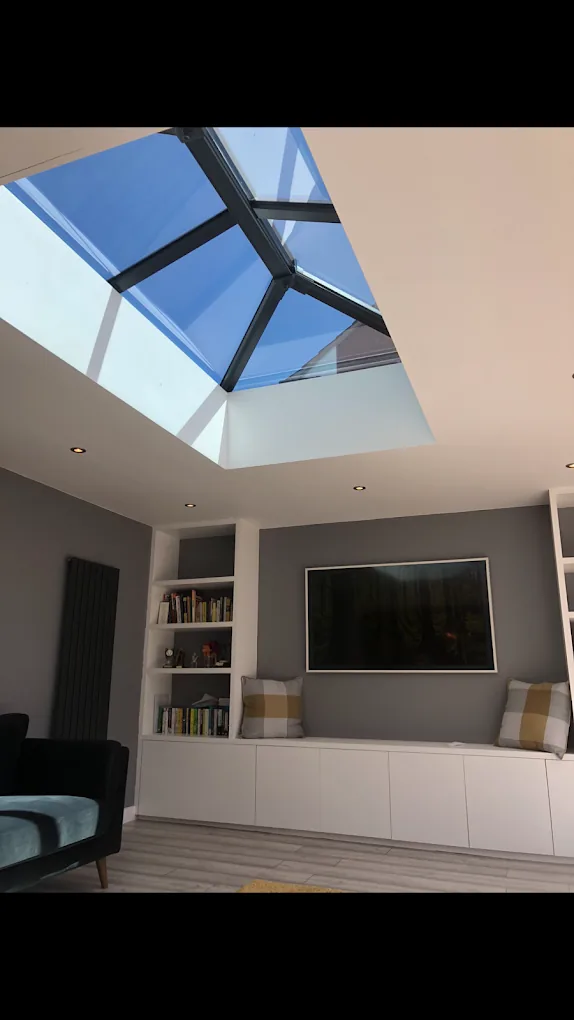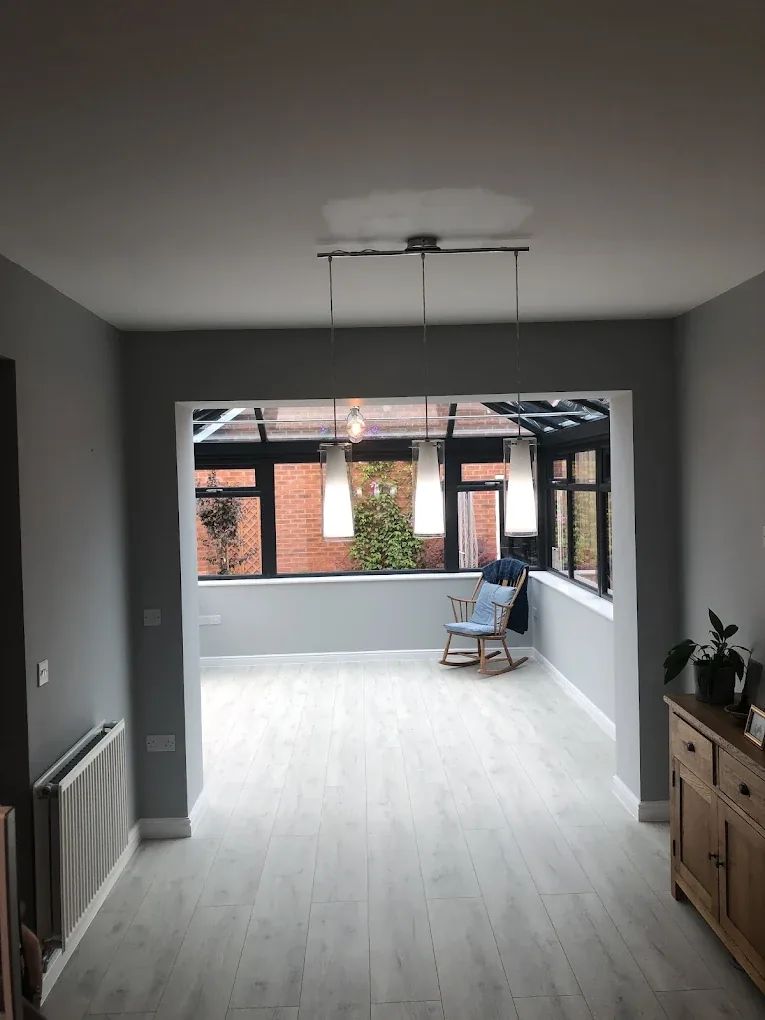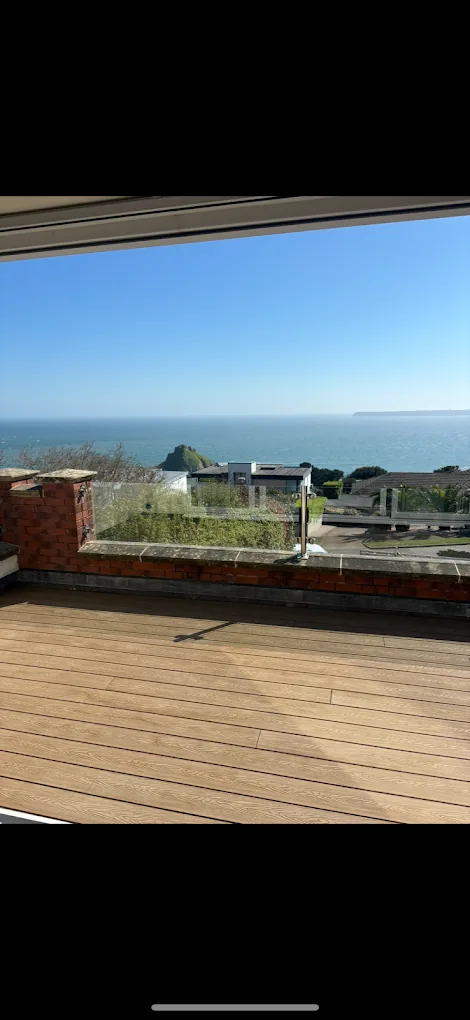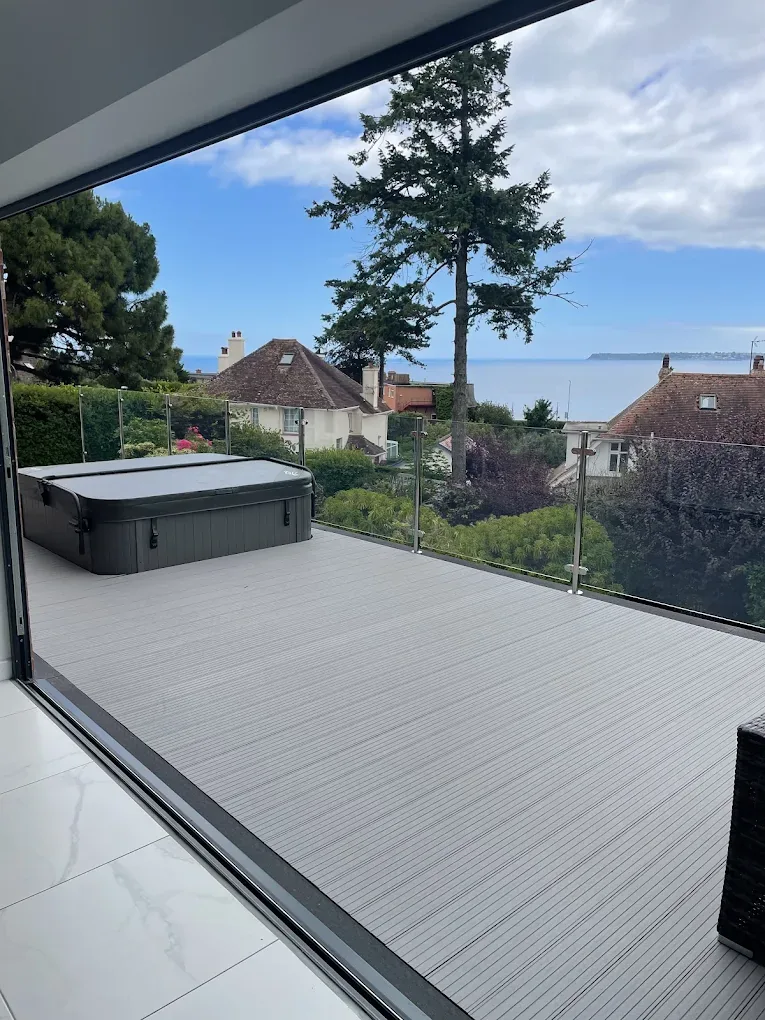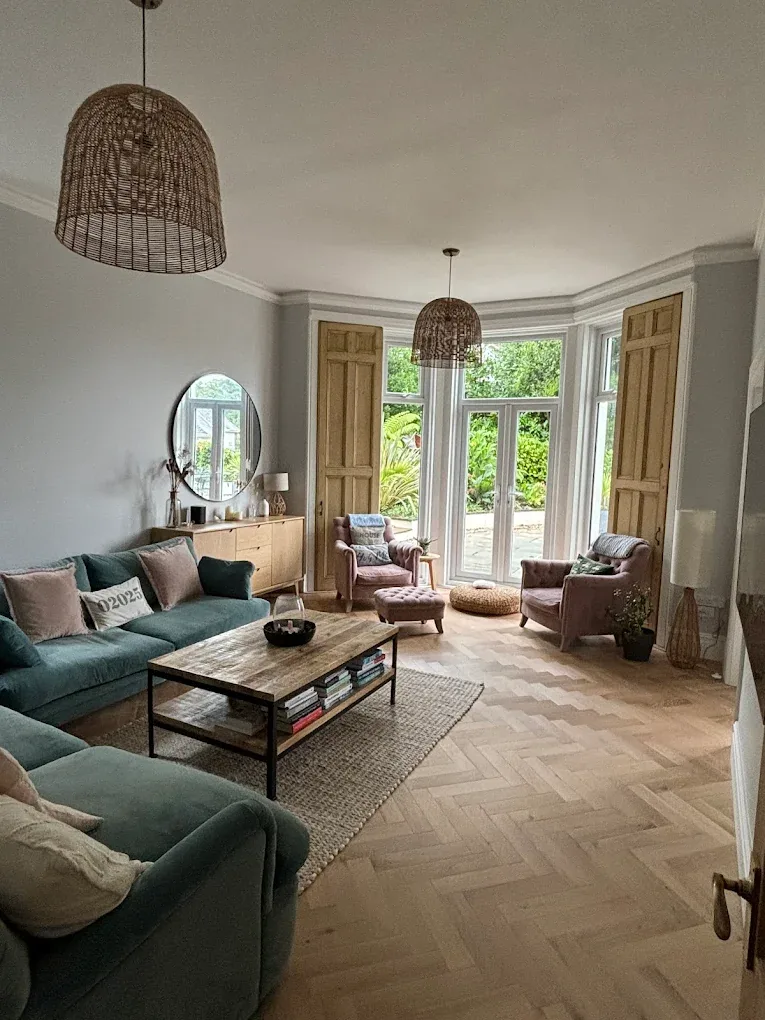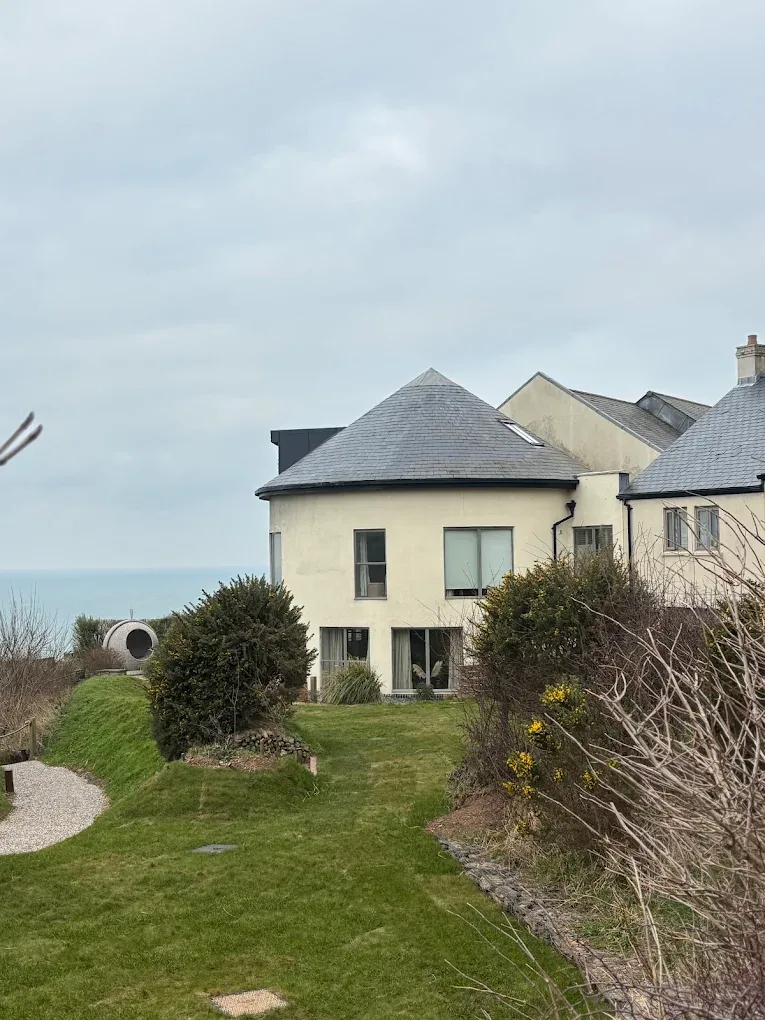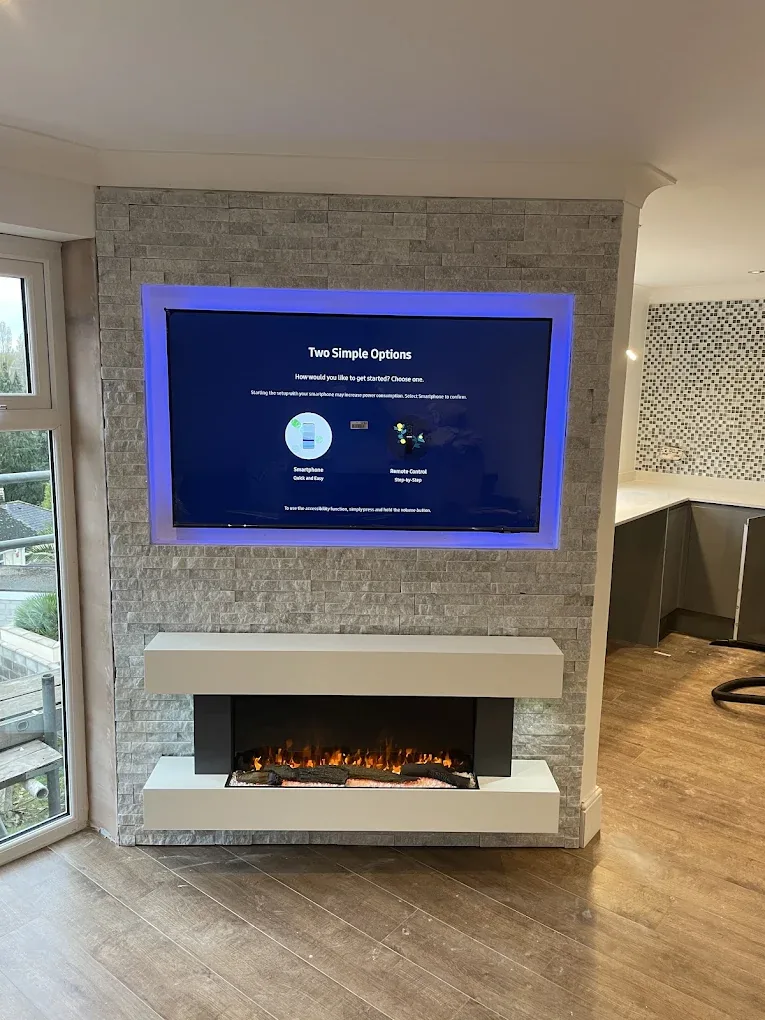
Planning permission can seem daunting, but understanding the process is essential for a successful home extension project in Devon. This comprehensive guide will help you navigate the requirements and application process.
Do You Need Planning Permission?
Many home extensions fall under permitted development rights, meaning you don't need formal planning permission. However, there are important exceptions and limitations.
Permitted Development Criteria
Your extension may not need formal planning permission if it meets these standard criteria:
- Single-storey rear extensions: Up to 4 metres for detached houses, and 3 metres for semi-detached or terraced houses. (Note: You can extend up to 8 metres for detached and 6 metres for attached houses under the "Larger Home Extension" scheme, but this requires a quicker "Prior Approval" application rather than being automatically permitted).
- Two-storey extensions: No closer than 7 metres to the rear boundary.
- Height restrictions: No higher than the highest part of the existing roof.
- Coverage: Extensions and outbuildings must not cover more than 50% of the land around the original house.
When You Definitely Need Permission
Planning permission is required in these situations:
- Conservation areas: Plymouth, Torquay, and Exeter have numerous conservation areas with stricter rules.
- Listed buildings: Any alterations require listed building consent.
- Article 4 directions: Some areas have removed permitted development rights.
- Exceeding permitted development limits: Larger extensions need full permission.
- Front extensions: Most front extensions require planning permission.
- Flats and maisonettes: These properties have no permitted development rights for extensions. You will always need full planning permission to extend a flat or maisonette.
The Planning Application Process
If you need planning permission, here's what to expect:
Step 1: Pre-Application Advice
Before submitting a formal application, consider seeking pre-application advice from your local planning authority:
- Plymouth City Council: Offers paid pre-application service
- Torbay Council: Provides informal advice for smaller projects
- Exeter City Council: Pre-application consultation available
This can identify potential issues early and improve your chances of approval.
Step 2: Prepare Your Application
A complete planning application typically includes:
- Completed application form: Available on the Planning Portal
- Site location plan: 1:1250 or 1:2500 scale showing the property outlined in red
- Existing and proposed drawings: Floor plans, elevations, and sections
- Design and access statement: For larger projects
- Application fee: Varies by project size and type
Step 3: Submit Your Application
Applications can be submitted:
- Online: Through the Planning Portal (recommended)
- By post: To your local planning authority
- Through an agent: Architects or planning consultants can handle this
Step 4: Consultation Period
Once submitted, your application will be:
- Validated: Checked for completeness (usually within 5 working days)
- Publicised: Neighbours may be notified
- Consulted: Relevant departments review the proposal
- Assessed: Planning officer evaluates against local policies
The standard decision period is 8 weeks for householder applications.
Building Regulations vs Planning Permission
It's crucial to understand that planning permission and building regulations are separate requirements:
Planning Permission
- Concerned with land use and appearance
- Considers impact on neighbours and local area
- Managed by planning department
Building Regulations
- Focus on construction standards and safety
- Cover structural integrity, fire safety, insulation, etc.
- Managed by building control department
Most extensions need building regulations approval even if planning permission isn't required.
Local Considerations in Devon
Plymouth
- Strong focus on heritage conservation
- Detailed design guides for different areas
- Active neighbourhood planning groups
Torquay & Torbay
- Coastal location considerations
- Tourism and holiday let restrictions in some areas
- Conservation area constraints
Exeter
- Historic city centre with strict controls
- Green infrastructure requirements
- Sustainable design encouraged
Tips for a Successful Application
1. Research Local Planning Policies
Review your local authority's:
- Local Plan
- Supplementary Planning Documents
- Design guides
2. Consider Your Neighbours
- Discuss plans with neighbours early
- Address potential concerns proactively
- Avoid overshadowing or overlooking
3. Quality Drawings Matter
- Use professional design drawings
- Ensure accuracy and clarity
- Include all required views and details
4. Design Sympathetically
- Match existing materials where possible
- Respect the character of the area
- Consider the street scene
5. Demonstrate Benefits
- Explain how the extension improves the property
- Show consideration for sustainability
- Highlight quality design features
Common Reasons for Refusal
Understanding why applications fail helps you avoid pitfalls:
- Overdevelopment: Extension too large for the plot
- Neighbour impact: Excessive overshadowing or loss of privacy
- Design quality: Poor design or inappropriate materials
- Parking issues: Insufficient parking provision
- Heritage concerns: Harm to listed buildings or conservation areas
What If Your Application Is Refused?
If your application is refused, you have options:
Appeal
- Free to appeal to the Planning Inspectorate
- Must be submitted within 12 weeks
- Success rate varies but worth considering
Revise and Resubmit
- Address the reasons for refusal
- Modify the design
- Submit a new application
Seek Professional Help
- Planning consultants can advise on appeals
- Architects can redesign to address concerns
Working with NL Elite Builders
We have extensive experience navigating planning permission in Devon:
- Pre-planning advice: We help assess whether you need permission
- Drawing preparation: We work with trusted architects
- Application support: We guide you through the process
- Building regulations: We ensure full compliance
Our local knowledge of Plymouth, Torquay, and Exeter planning requirements ensures your project starts on the right foot.
Conclusion
Planning permission doesn't have to be complicated. By understanding the requirements, preparing thoroughly, and seeking professional advice when needed, you can navigate the process successfully.
Ready to start your extension project? Contact us for expert advice on planning permission and building regulations in Devon. We'll help you understand what's required and guide you through every step of the process.
Useful Resources
- Planning Portal - National planning information
- Plymouth City Council Planning - Local planning services
- Torbay Council Planning - Torbay planning information
- Exeter City Council Planning - Exeter planning services